What Is Cryotherapy? Is Whole-Body Cold Therapy Really Effective?
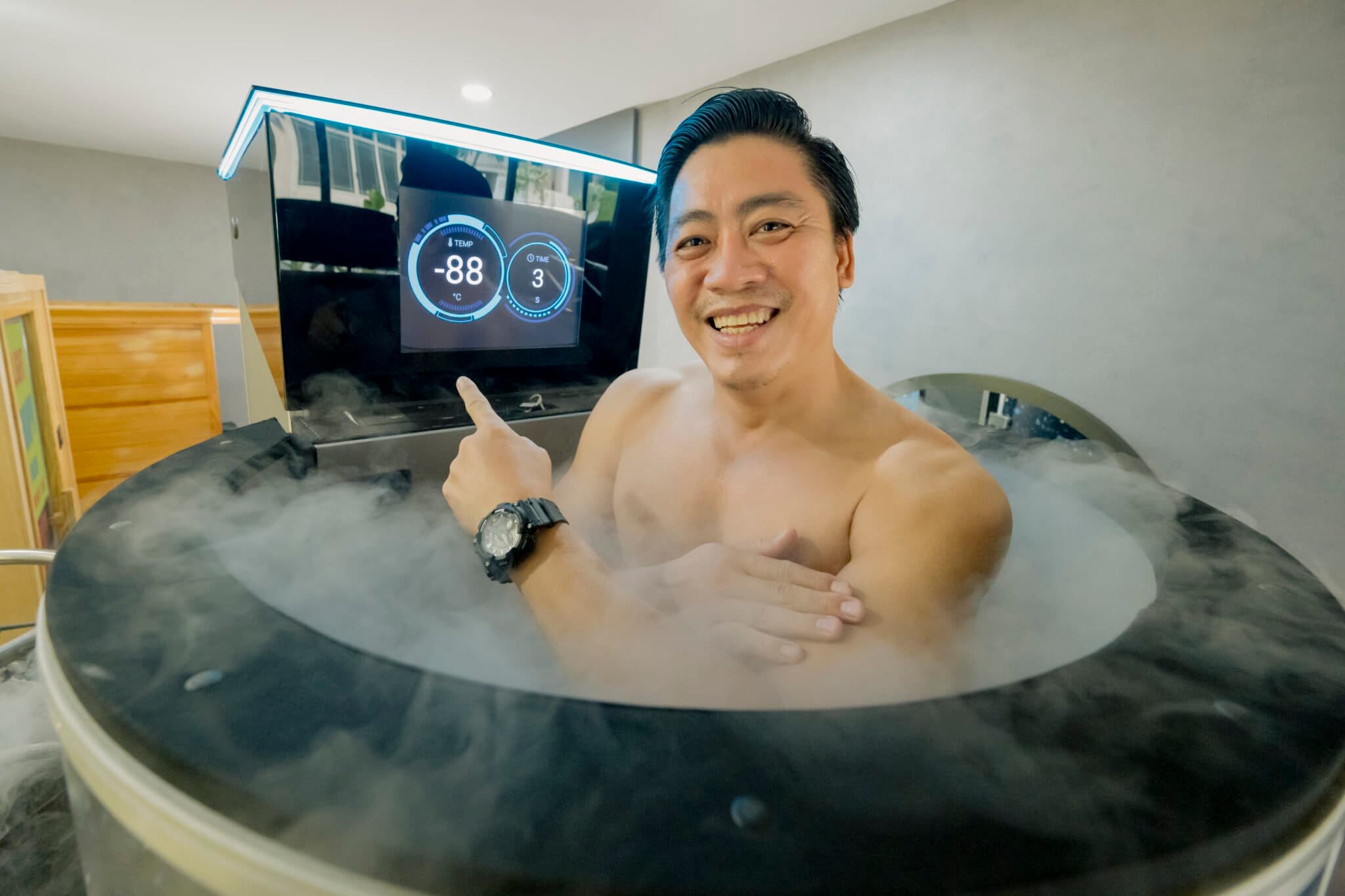
What Is Cryotherapy? A Brief Introduction to Whole-Body Cold Therapy
Temperature can have a powerful impact on the human body. A study published in the Journal of Sports Science & Medicine shows that exposure to extremely low temperatures can activate biological mechanisms that help reduce inflammation, enhance blood circulation, and accelerate muscle recovery. This scientific foundation has led to the development of Cryotherapy – a whole-body cold therapy that is now widely applied in sports, medicine, and aesthetic care.
Cryotherapy is not merely a method for pain and inflammation relief. It has also been studied for its ability to improve overall health, boost immune function, and support the treatment of various medical conditions. By carefully controlling temperature and exposure time, the body can avoid cold-related damage while maximizing the biological benefits this therapy provides.
How Did Cryotherapy Originate?
Cold therapy is not a modern invention. Ancient Greeks used ice to reduce swelling and treat injuries. In those times, warriors returning from battle often immersed themselves in cold water to relieve muscle pain and restore physical strength. In the 19th century, British physician James Arnott applied extremely low temperatures generated from ice and salt mixtures to treat tumors, opening a new chapter in medical science.
It was not until the 1970s that Whole Body Cryotherapy (WBC) was fully developed by Japanese physician Dr. Toshima Yamaguchi. Initially, he researched this method to support the treatment of rheumatoid arthritis by reducing inflammation and pain through short exposures to extreme cold. Since then, Cryotherapy has continued to evolve and is now widely used worldwide, particularly in sports recovery and health rehabilitation.
How Does Cryotherapy Work?
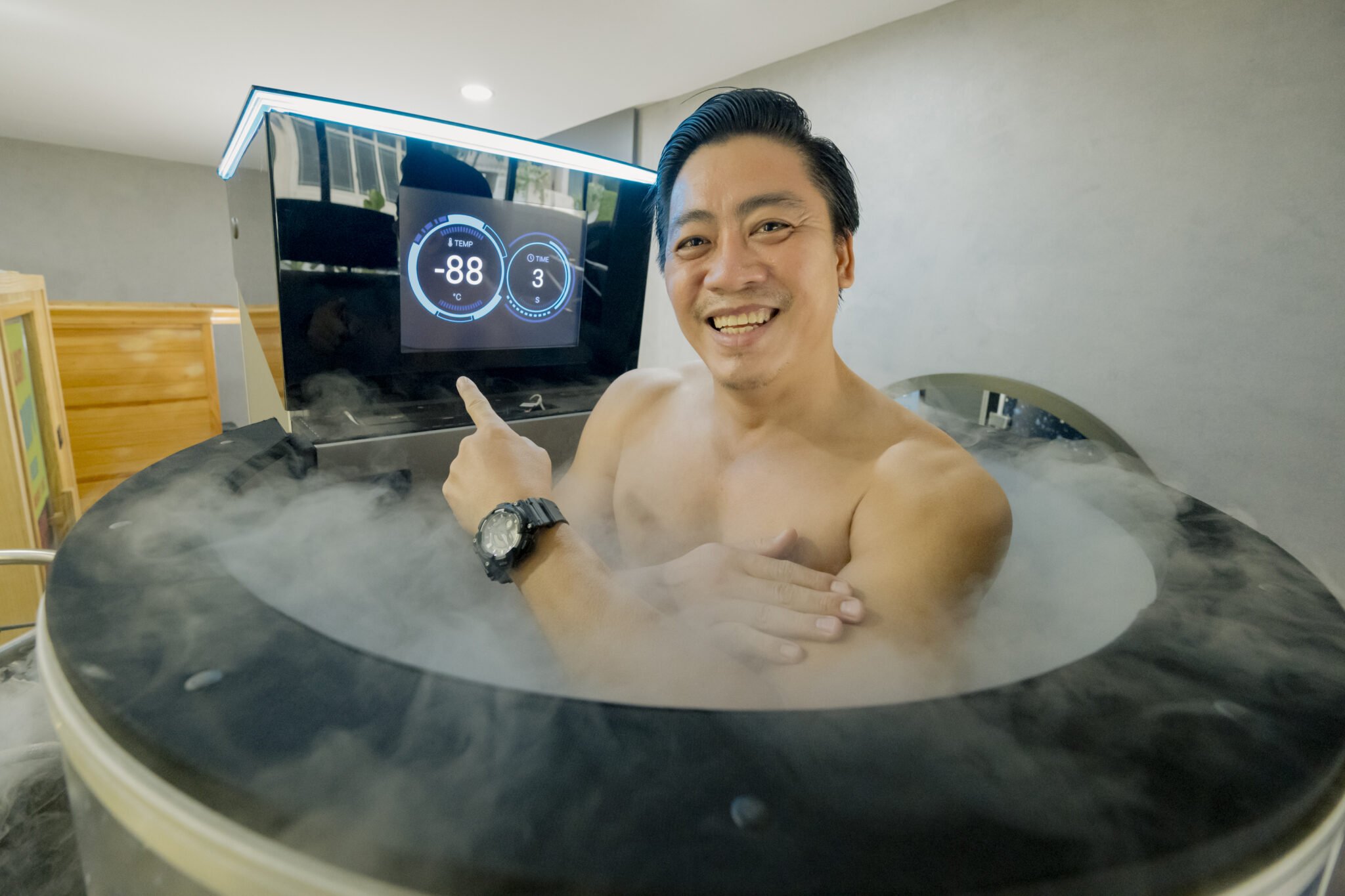
When the body is exposed to temperatures ranging from -110°C to -160°C for 2–3 minutes, it activates a natural protective response: blood vessels constrict, redirecting blood flow toward vital organs to maintain core body temperature. This is a natural biological mechanism that protects the body from sudden cold exposure.
After the session ends, blood vessels dilate again, allowing oxygen- and nutrient-rich blood to flow rapidly to tissues. This process supports cell regeneration, detoxification, and effective inflammation reduction. It also stimulates the nervous system to release endorphins—natural pain-relieving hormones that create a sense of well-being and renewed energy.
Additionally, exposure to low temperatures promotes increased collagen production, helping the skin become firmer, reduce wrinkles, and improve elasticity. Cryotherapy also supports immune function, enhances calorie burning, and helps regulate hormones, delivering wide-ranging health benefits.
Benefits of Cryotherapy
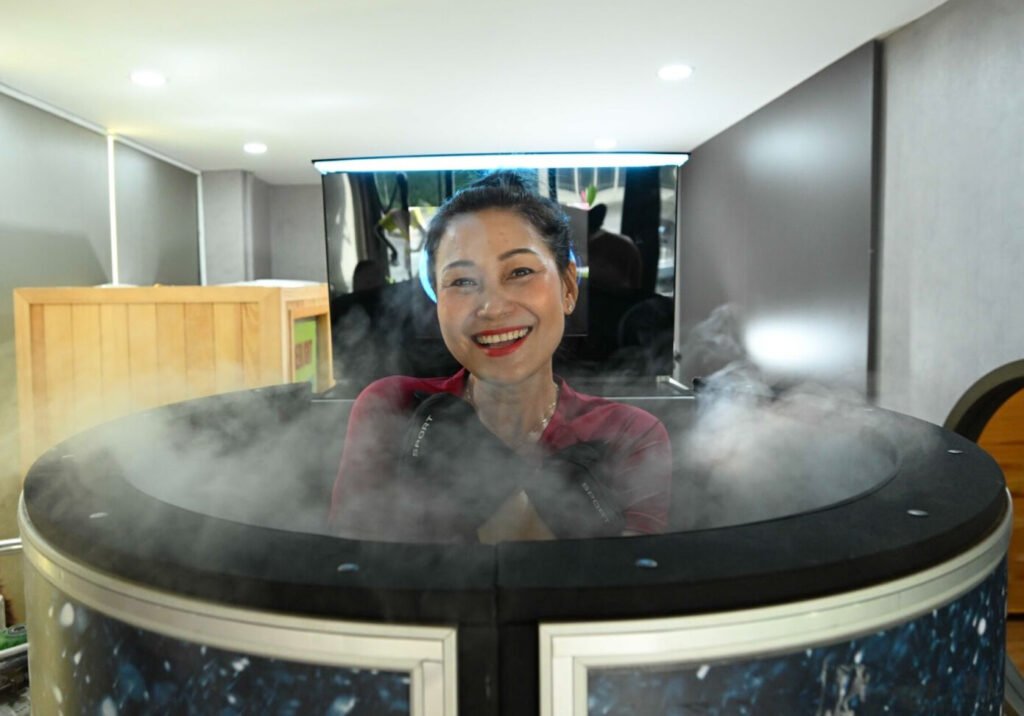
Cryotherapy offers numerous advantages, not only for athletes but also for individuals seeking to improve overall health. One of its most significant benefits is pain and inflammation reduction. Exposure to extreme cold suppresses inflammatory processes, relieves muscle and joint pain, and accelerates recovery.
Moreover, Cryotherapy enhances blood circulation, promotes tissue regeneration, and slows the aging process. By stimulating collagen production, skin becomes firmer, smoother, and more youthful. This is why Cryotherapy has become an increasingly popular trend in the beauty and wellness industry.
Cryotherapy also has positive effects on mood and sleep quality. Cold exposure stimulates the release of endorphins—often referred to as “happy hormones”—which help reduce stress, improve mood, and restore energy from within. In addition, Cryotherapy boosts metabolism, enabling the body to burn more calories and supporting effective weight loss.
Cryotherapy in Sports
In professional sports, rapid recovery is essential for maintaining peak performance. Cryotherapy is considered an effective solution for shortening recovery time and reducing injury risk. When exposed to cold, the body decreases blood flow to injured areas, helping reduce inflammation and limit soft tissue damage. Once normal temperature is restored, oxygen- and nutrient-rich blood is delivered to muscles, accelerating tissue repair.
Beyond reducing muscle soreness and inflammation, Cryotherapy also enhances athletic performance. By minimizing lactic acid buildup, muscles can function more efficiently, reducing fatigue and improving endurance. This is why many professional athletes use Cryotherapy after intense training sessions or competitions.
Cryotherapy in Medicine
Cryotherapy is not exclusive to athletes; it is also widely applied in medical settings. One of its most important benefits is supporting the treatment of arthritis and chronic pain. Cold therapy helps relieve pain and joint stiffness, particularly in patients with rheumatoid arthritis. At the same time, cold exposure stimulates circulation and enhances immune system function, contributing to improved overall health.
Cryotherapy is also used to treat skin conditions such as acne, dermatitis, and signs of aging. Cold temperatures stimulate collagen production, helping tighten the skin and reduce wrinkles. Additionally, Cryotherapy supports weight loss by increasing metabolic rate. To maintain core body temperature, the body burns more calories, thereby promoting fat reduction.
The Perfect Combination: Cryotherapy and Red Light Therapy
In addition to using Cryotherapy alone, many modern health and sports experts now combine it with Red Light Therapy to maximize recovery and regeneration. Red Light Therapy uses wavelengths between 600–700 nm to penetrate deep into the skin, stimulating ATP production—the primary energy source of cells. This accelerates tissue repair, reduces inflammation, and improves overall health.
The combination of these two therapies delivers more comprehensive benefits. Cryotherapy triggers rapid physiological responses, reducing inflammation and improving circulation, while Red Light Therapy supports cellular regeneration and tissue function. Athletes often use this combined approach after high-intensity training to reduce soreness, prevent injuries, and shorten recovery time. In the beauty industry, Cryotherapy and Red Light Therapy are also used together to enhance skin elasticity, reduce pigmentation, stimulate collagen production, and promote healthier, more youthful skin.
Conclusion
Cryotherapy is a modern therapeutic method that offers a wide range of benefits—from muscle recovery and athletic performance enhancement to medical support and overall wellness care. However, to achieve optimal results, it must be performed correctly and tailored to individual health conditions. No longer just a trend, Cryotherapy is steadily becoming an essential component of a healthy, science-based lifestyle.