Effective Post-Stroke Rehabilitation Methods | FITZONE
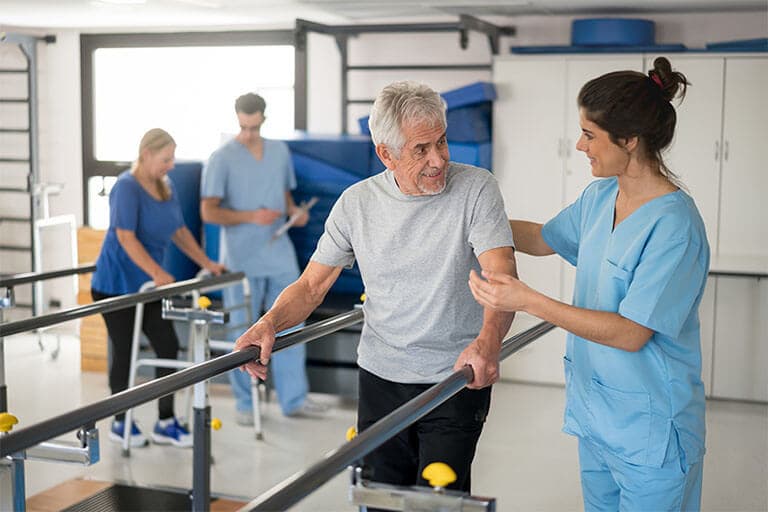
A study by the American Stroke Association (ASA) shows that approximately 70% of stroke patients can partially or fully recover if they receive early intervention and appropriate rehabilitation methods. This demonstrates that although stroke often leaves severe aftereffects, with persistence in rehabilitation and support from modern therapies, patients still have the opportunity to regain mobility and improve their quality of life.
What Is Stroke?
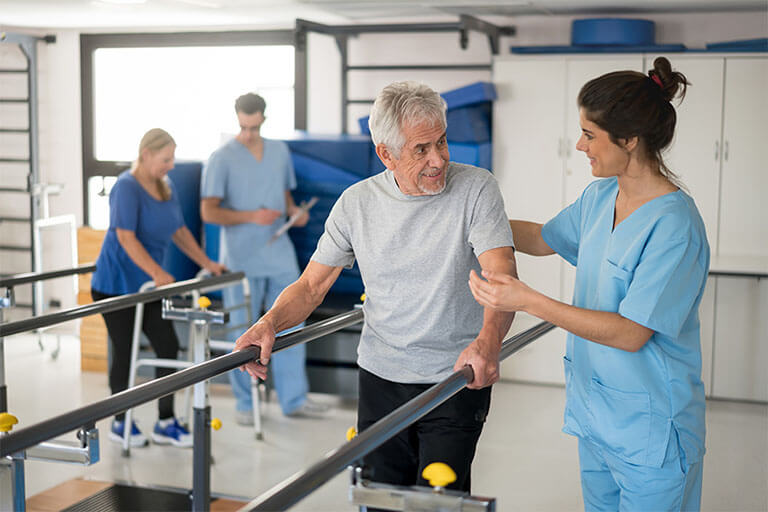
Stroke (cerebrovascular accident) is one of the most dangerous medical conditions and can lead to serious long-term complications. It occurs when blood and oxygen supply to the brain is interrupted, causing brain cells to be damaged within a short period of time.
Common symptoms of stroke include paralysis on one side of the body, speech difficulties, memory loss, or even death if emergency treatment is not provided promptly. Early recognition of stroke warning signs and proper first aid play a crucial role in minimizing severe consequences.
Causes of Stroke
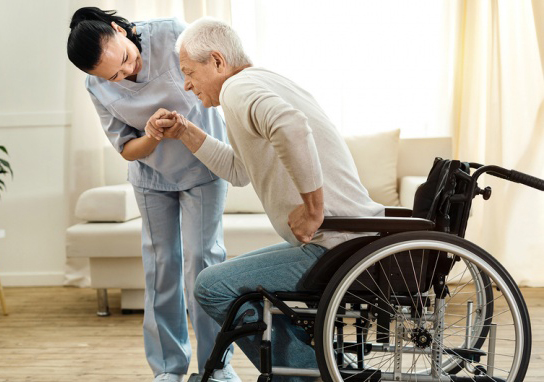
Stroke can occur due to various causes, the most common of which include:
Blocked blood vessels (ischemic stroke):
Occurs when a blood clot forms and blocks a vessel supplying blood to the brain.Ruptured blood vessels (hemorrhagic stroke):
Happens when a blood vessel in the brain ruptures, leading to bleeding and damage to surrounding brain tissue.High blood pressure:
A leading risk factor that weakens blood vessel walls and increases the risk of stroke.Atherosclerosis:
Cholesterol plaque buildup narrows arteries, restricting blood flow to the brain.Heart diseases:
Conditions such as atrial fibrillation or heart failure increase the risk of blood clots that can cause stroke.Diabetes:
Increases the risk of blood vessel damage and clot formation.Unhealthy lifestyle:
Smoking, excessive alcohol consumption, diets high in saturated fat, physical inactivity, and prolonged stress all increase stroke risk.
Rehabilitation After Stroke
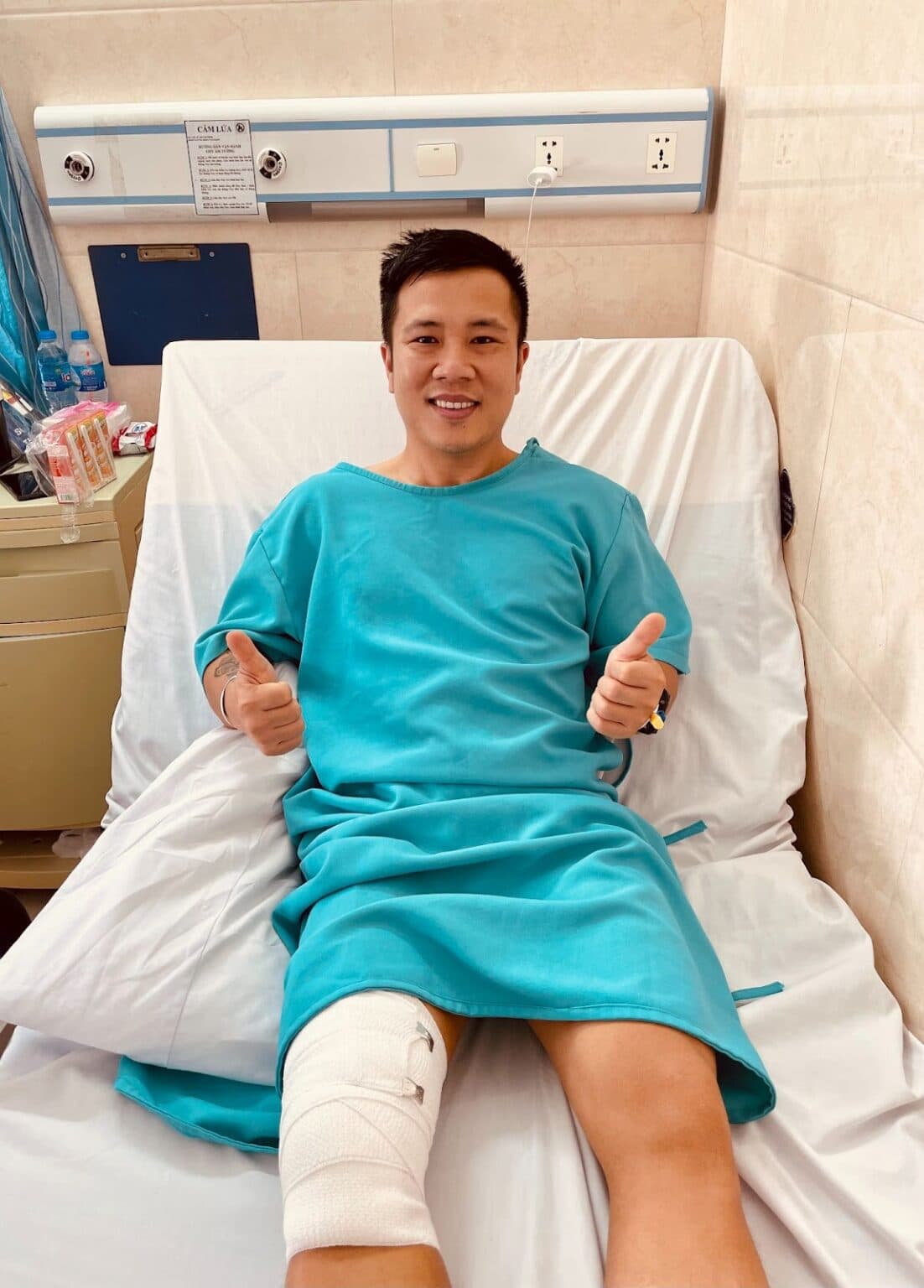
Post-stroke rehabilitation plays a vital role in helping patients regain mobility and daily functioning. Rehabilitation focuses on restoring motor abilities, reducing paralysis, and improving neurological function. This is a long-term process that requires patience and support from a professional medical team.
Physical Therapy
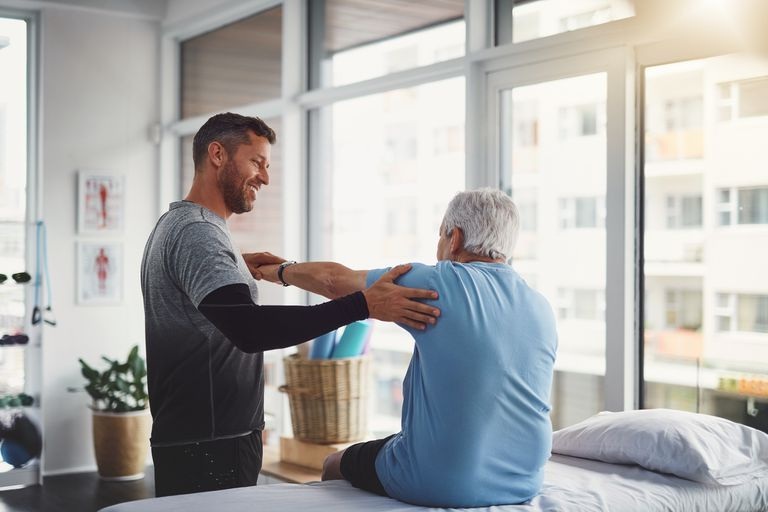
Rehabilitation exercises help patients improve muscle strength, reduce paralysis and numbness, and gradually restore motor functions. This significantly enhances quality of life and enables patients to return to daily activities more comfortably.
Traditional Medicine Therapies
Methods such as acupuncture, acupressure massage, and hydro-acupuncture (injecting medicinal solutions into acupuncture points) can help relieve pain, improve blood circulation, and support neurological recovery. These therapies may reduce motor and nerve-related complications after stroke.
Nutrition and Prevention of Recurrent Stroke
In addition to rehabilitation therapies, proper nutrition and a healthy lifestyle are essential in preventing stroke recurrence. Patients should follow a balanced diet, reduce unhealthy fats, and increase intake of vitamins and fiber.
Risk factors such as high blood pressure, diabetes, and cardiovascular diseases must be well controlled to minimize recurrence risk. Adequate rest, stress management, and complete avoidance of smoking and alcohol are also crucial.
Combining Stretching and Cryotherapy to Support Motor Recovery
Two modern therapies that can effectively support post-stroke motor recovery are stretching and cryotherapy (whole-body cold therapy).
Stretching (Rehabilitation Stretching)
Stretching helps increase flexibility and reduce muscle stiffness, especially in areas affected by paralysis or weakness after stroke. Regular stretching exercises help muscles become more elastic and improve coordination during movement.
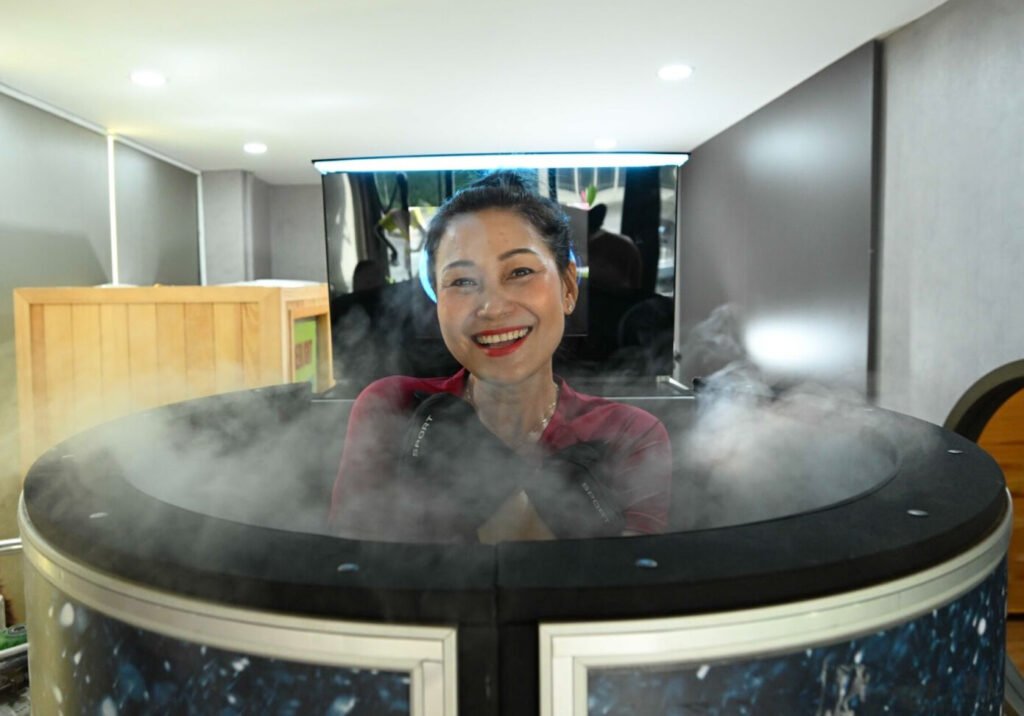
Cryotherapy (Whole-Body Cryotherapy)
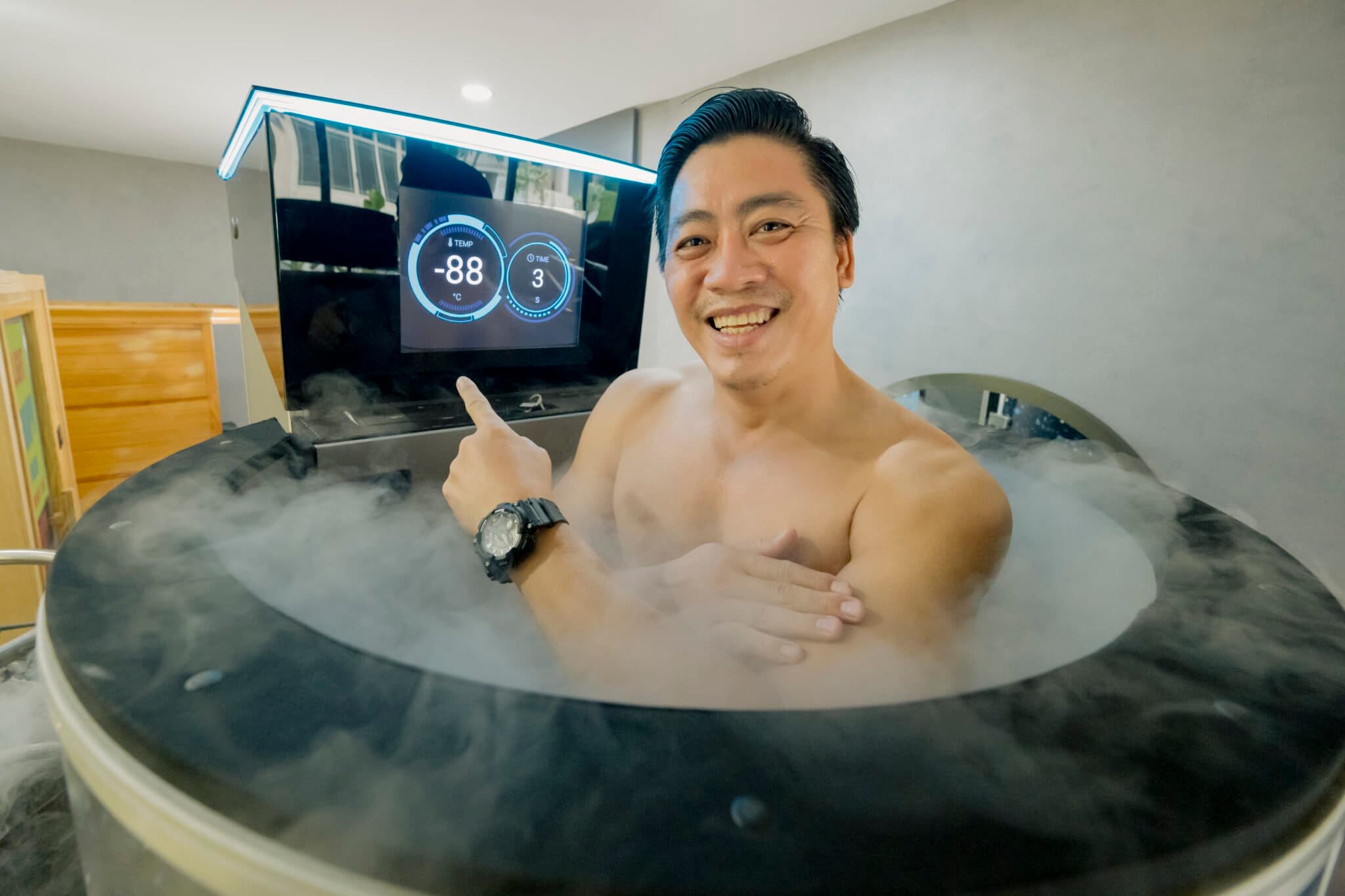
Cryotherapy uses extremely low temperatures to reduce inflammation and pain. It is effective in promoting tissue recovery, reducing swelling, and enhancing blood circulation, thereby accelerating the overall recovery process after stroke.
Conclusion
Rehabilitation after stroke is a long journey that requires perseverance from patients and strong support from family members and healthcare professionals. Combining physical therapy, traditional medicine, proper nutrition, and modern therapies such as stretching and cryotherapy can optimize recovery outcomes.
Most importantly, patients should maintain a positive mindset and strong determination to gradually regain their health and independence.